
eSIM News
[2026] Hanoi Airport SIM Card: The Complete Guide for Tourists
Sep
Staying connected while traveling in Vietnam is essential for maps, transport apps, and keeping in touch. If you’re arriving at Noi Bai International Airport in Hanoi, one of the first questions is: Should I buy a SIM card at Hanoi Airport?
This guide explains where to buy, the pros and cons, alternative options, and tips to make sure you get the best deal.
Where to Buy a SIM Card at Hanoi Airport
Noi Bai International Airport has made it remarkably easy for travelers to get connected immediately upon arrival. Once you clear customs and enter the arrival hall, you’ll find several SIM card kiosks strategically positioned near the exit doors. These bright, well-marked stalls are hard to miss and are typically the first commercial services you’ll encounter.
SIM card services may be available in the arrivals area after immigration and customs. You may find SIM options from major Vietnamese mobile networks such as Viettel, VinaPhone and MobiFone, but counter locations and operators can change.. Viettel, the country’s largest carrier with the most extensive rural coverage, operates multiple kiosks throughout the terminal. Vinaphone and MobiFone also maintain dedicated counters, though they’re sometimes consolidated into multi-provider stalls managed by licensed resellers.
After Immigration & Customs
Look for SIM card stores in the arrivals area.
Main Vietnam Mobile Network Providers
Viettel
Widest coverage across Vietnam, including cities, rural areas, mountains, and remote destinations.
Vinaphone
Good data speeds and a strong option for travelers spending most of their time in major cities.
MobiFone
A reliable option for tourists looking for a convenient local mobile connection.
Opening Hours & Tourist Support
Most SIM card vendors operate from early morning until late evening, typically from 7:00 AM to 10:00 PM, though hours may extend during peak travel seasons.
The staff at these kiosks are generally well-trained in basic English and are accustomed to helping international tourists. They can assist with SIM card installation, initial setup, and basic troubleshooting — a valuable service when you’re tired from travel and unfamiliar with Vietnamese telecommunications systems.
Payment Options
Payment methods vary by counter. Bringing some Vietnamese cash (VND) is recommended.
However, I always recommend having some local currency on hand, as cash transactions often proceed more smoothly.
Quick Summary
Viettel vs VinaPhone vs MobiFone for Tourists
Vietnam has three major mobile networks: Viettel, VinaPhone, and MobiFone. All three offer reliable coverage in cities, but coverage can vary in rural areas and mountainous regions. For travelers exploring northern Vietnam, choosing the right carrier can make a big difference.
| Carrier | Hanoi | Rural areas | Northern mountains | Best for |
|---|---|---|---|---|
|
1
Viettel
|
Excellent | Excellent | Excellent | Sapa, Ha Giang, Cao Bang |
|
2
VinaPhone
|
Excellent | Good | Good | Hanoi & major cities |
|
3
MobiFone
|
Good | Good | Moderate | Short city trips |
Viettel is generally the best choice for travelers who plan to explore beyond Vietnam’s major cities, especially destinations such as Sapa, Ha Giang, and Cao Bang. VinaPhone is a strong option for travelers staying mainly in Hanoi and other major cities, while MobiFone can be suitable for shorter urban trips.
Where Can Tourists Buy a SIM at Noi Bai Airport?
- Terminal 1 (T1) – domestic
- Terminal 2 (T2) – international
For international tourists, you can go to International arrivals – Terminal 2.
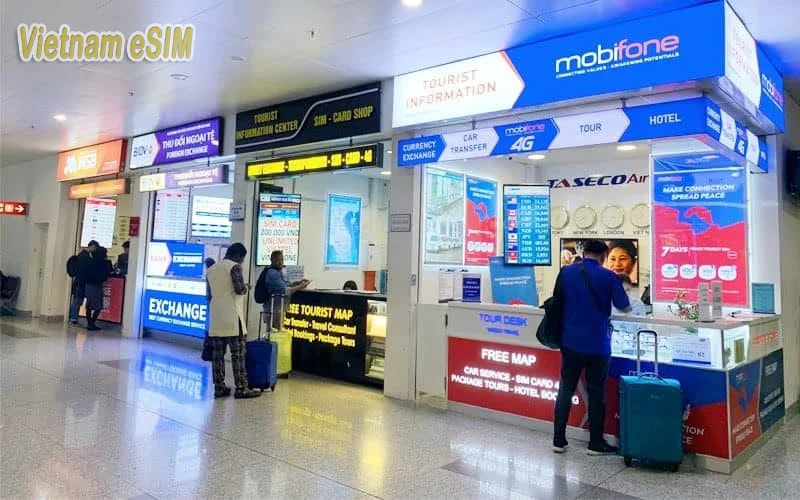
After clearing immigration and customs, enter the public arrivals area on Level 1. SIM cards are available in the arrivals area at Noi Bai Airport, particularly for international passengers arriving at Terminal 2. Counter locations, operators and opening hours may change, so check the latest airport information when you arrive.
Arrival → Immigration → Baggage Claim → Customs → Arrivals Hall → SIM counters
Advantages of Buying at Hanoi’s Noi Bai Airport
Instant internet access
Use Google Maps, Grab, or WhatsApp right after landing.
Convenience
No need to search for stores in the city. Everything is set up at the airport.
Tourist SIM packages
Ready-made bundles (7–30 days) with large data allowances.
Multiple payment options
Cash (VND) and credit cards are accepted.
The primary advantage of purchasing your SIM card at Noi Bai Airport is immediate connectivity. Within minutes of landing, you can have working internet access, allowing you to use ride-hailing apps, access maps, and communicate with hotels or tour operators without delay. This immediacy is particularly valuable if you’re arriving late at night or need to coordinate transportation to your accommodation.
The convenience factor cannot be overstated. Airport staff are experienced in serving international customers and can handle the entire setup process for you. They’ll insert the SIM card, configure your phone’s network settings, and test the connection before you leave the counter. This hands-on service eliminates the technical uncertainties that might intimidate less tech-savvy travelers.
Tourist packages available at the airport are specifically designed for short-term visitors. These plans typically include generous data allowances (ranging from 3GB to unlimited daily usage), reasonable amounts of domestic calling minutes, and sometimes international calling credits. The packages are usually valid for periods matching common tourist stays—7, 15, or 30 days—eliminating the need to worry about top-ups or renewals during your visit.
The airport environment also provides a level of consumer protection that street vendors might not offer. Official kiosks are regulated, staffed by trained personnel, and accountable to airport authorities. If you encounter issues with your SIM card, you can return to the same location with confidence that your problem will be addressed professionally.
Despite these conveniences, airport SIM card purchases come with notable drawbacks, the most significant being cost. Airport retailers typically charge 30-40% more than you’d pay at official stores in downtown Hanoi. A tourist SIM package that costs 200,000 VND (approximately $8) in the city might cost 300,000 VND ($12) at the airport. For budget-conscious travelers, this markup represents a meaningful expense that could be better spent on street food or additional attractions.
The selection of available plans is also more limited at airport kiosks. While downtown stores offer dozens of different packages optimized for various usage patterns and budgets, airport vendors typically stock only the most popular tourist packages. If you have specific needs—such as extensive international calling, longer validity periods, or minimal data requirements—you might not find suitable options at the airport.
During peak travel times, particularly during Vietnamese holidays or high tourist season, queues at SIM card kiosks can be frustratingly long. I’ve seen travelers wait 30-45 minutes just to purchase and activate a SIM card, time that could be better spent beginning their Vietnamese adventure.
Perhaps most concerning are the occasional issues with SIM card quality and activation. While reputable vendors are generally reliable, some travelers have reported receiving inactive SIM cards, packages that expire much sooner than advertised, or cards that don’t work properly outside Hanoi. These problems are rare but can cause significant inconvenience, especially if you discover them after leaving the airport.
How Much Does a SIM Card Cost at Hanoi Airport?
| Option | Typical Price | Convenience |
|---|---|---|
| Airport tourist SIM | ~200,000–500,000 VND | |
| Official carrier store in Hanoi | Usually cheaper | |
| Online tourist eSIM | Depends on data/validity |
Prices change frequently. The prices below are indicative rather than guaranteed airport prices. Always confirm the data allowance, validity and network before paying.
Disadvantages of Buying a SIM at Noi Bai Airport
Higher prices
Expect to pay 30–40% more than in Hanoi city. Example:
- City price: VND 150,000 (~US $6)
- Airport price: VND 250,000–350,000 (~US $10–15)
Limited plan choices
Airport counters offer only a few tourist SIM options.
Possible waiting time
Long queues may occur during busy flight arrival periods.
Activation issues
Some travelers report SIMs expiring early or not working properly. Always test your SIM before leaving the airport.
Airport SIM: Advantages vs. Disadvantages
| Comparison | Advantage | Disadvantage |
|---|---|---|
| Immediate Connectivity | ✓ Yes upon arrival | — |
| Convenience | ✓ Located in arrival hall, English-speaking staff | — |
| Tourist-Friendly Plans | ✓ Pre-set packages available | — |
| Payment Options | ✓ Credit cards accepted | — |
| Cost | — | ✗ Higher than city stores |
| Plan Variety | — | ✗ Limited options |
| Waiting Time | — | ✗ Possible long queues at busy times |
| Risk of Scam | — | ✗ Potential fraudulent activation or early expiration |
Alternatives to Hanoi Airport SIM Cards
1. Buy a SIM Card in Hanoi City Center
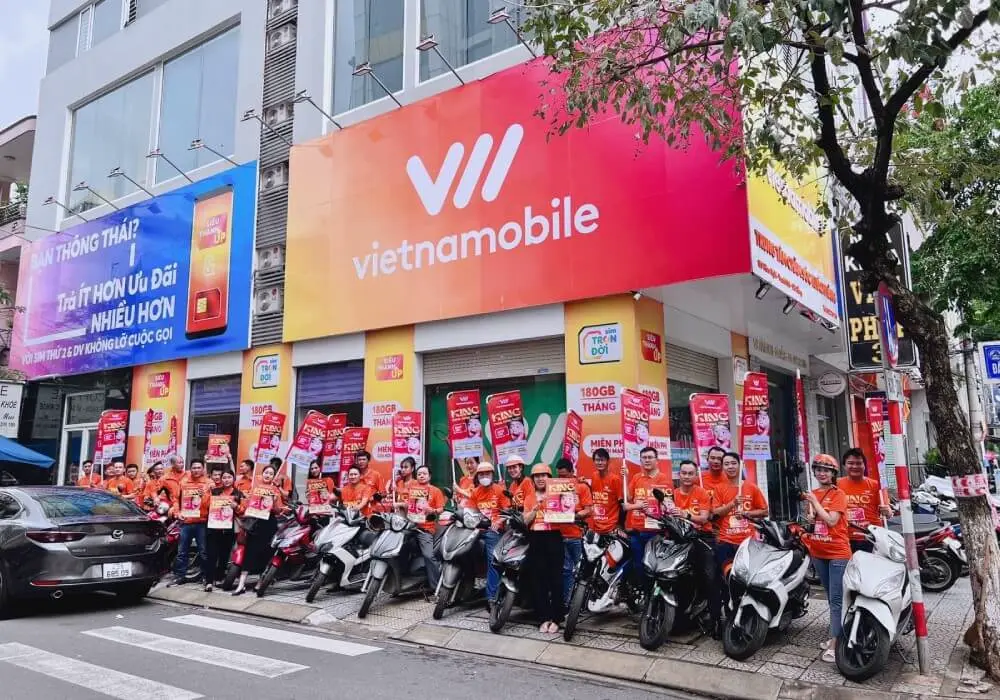
If you can manage without immediate connectivity, purchasing your SIM card in downtown Hanoi offers significant advantages. Official Viettel, Vinaphone, and MobiFone stores are scattered throughout the city, particularly concentrated around Hoan Kiem Lake and the Old Quarter. These stores offer the full range of available plans, competitive pricing, and knowledgeable staff who can help you choose the perfect package for your specific needs.
The cost savings are substantial—you’ll typically pay local prices rather than tourist-inflated rates. Additionally, city stores often run promotions and special offers that aren’t available at the airport. Many hotels and guesthouses can provide directions to the nearest official store, and some even offer to accompany guests to ensure a smooth purchase experience.
- Cheaper than the airport
- More plan options at official Viettel, Vinaphone, or MobiFone stores
- Recommended if you don’t need internet immediately
2. Get an eSIM for Vietnam (Best Option)
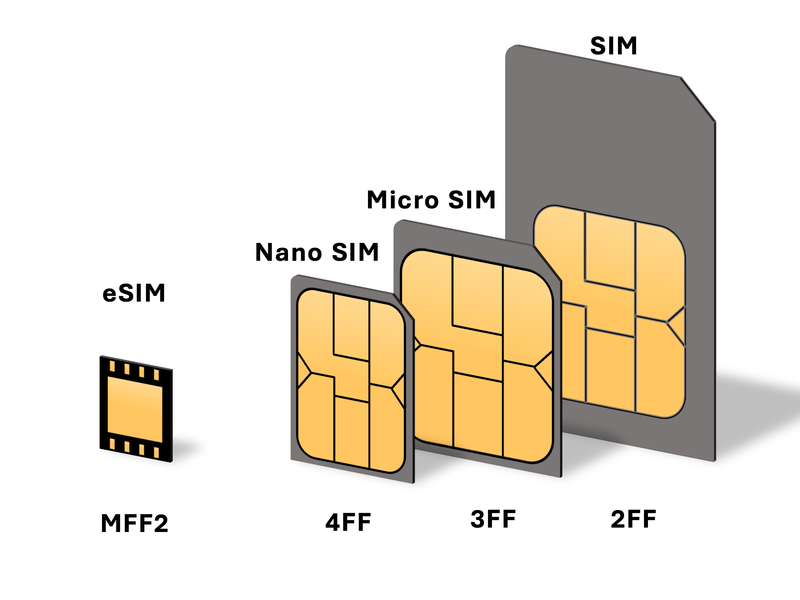
For travelers with compatible smartphones, eSIMs represent an increasingly attractive alternative. Several international providers offer Vietnam-specific eSIM packages that can be purchased and activated entirely online before you travel. Once activated, these digital SIMs provide immediate connectivity upon landing without requiring you to visit any physical store or kiosk.
eSIMs offer unique advantages for modern travelers. They allow you to maintain your home country number while simultaneously using a Vietnamese data plan, perfect for staying connected with family while enjoying local rates for internet access. The activation process is entirely digital—you simply scan a QR code or enter activation details provided by the eSIM provider.
Major eSIM providers like Airalo, Nomad, Vietnamesim.info and others offer Vietnam packages ranging from short-term tourist plans to longer-term options for extended stays. While prices are generally comparable to airport SIM cards, the convenience and flexibility often justify the cost for travelers who value seamless connectivity.
- Purchase online before your trip at https://vietnamesim.info
- Receive a QR code by email → scan → activate instantly
- Keep your home SIM active with dual SIM
- No waiting in line or overpaying at the airport
- Works with most modern phones (check compatibility)
3. Use International Roaming
Your home carrier’s international roaming service remains an option, though it’s typically the most expensive choice. However, for very short trips or travelers who need to maintain constant access to their home phone number, roaming might make financial sense. Many carriers now offer daily or weekly international packages that can be more cost-effective than purchasing local SIMs for brief visits.
- Very convenient but usually the most expensive option
- Good for short business trips if cost is not an issue
Tips for Tourists Buying a Vietnam SIM
Bring your passport
A passport is required for SIM card registration in Vietnam. Keep your passport easily accessible to streamline the purchase process.
Check if your phone is unlocked
Foreign SIM cards may not work on carrier-locked phones. Make sure your device is unlocked before purchasing a local SIM.
Test your SIM before leaving
Ask the vendor to fully activate your SIM and test the connection. Open a browser or map app to confirm that mobile data is working properly.
Compare prices between SIM card stores
Prices and packages may vary slightly between providers. Compare available plans before making your purchase.
Compare Plans Before Buying
Before making any SIM card purchase, invest a few minutes in comparing available plans. Airport vendors usually display rate cards, but don’t hesitate to ask questions about data speeds, coverage areas, and exactly what’s included in each package. Understanding the terms can help prevent unpleasant surprises later in your trip.
Activate and Test Your SIM
Always insist that the vendor fully activate your SIM card and test its functionality before you leave the counter. Make a test call, send a text message, and verify that mobile data is working properly. This simple step can save hours of frustration later if there are activation issues.
Bring Your Passport
Bring your passport—Vietnamese regulations require SIM card registration, and vendors need to see identification before completing the sale. Keep your passport easily accessible to streamline the purchase process.
Check eSIM Compatibility
If you’re considering an eSIM, verify your phone’s compatibility before traveling. While most modern smartphones support eSIM technology, older models and some budget devices do not. Check your device specifications or contact your phone manufacturer to confirm compatibility.
Choose a Plan Based on Your Usage
Consider your actual usage patterns when choosing a plan. Many tourists overestimate their data needs and pay for packages with more capacity than they’ll ever use. If you’ll primarily be using WiFi at hotels and restaurants, a smaller data package might be perfectly adequate and significantly cheaper.
Vietnam eSIM vs Physical SIM: Which Is Better?
Choosing between an eSIM and a physical SIM depends on how you travel and whether you need a Vietnamese phone number. For most international tourists, an eSIM offers a faster and more convenient way to get online in Vietnam.
| Feature | eSIM | Physical SIM |
|---|---|---|
| Buy before flight | ✅ | ❌ |
| Airport queue | No | Yes |
| Passport at airport | Usually not for travel data eSIM | Yes |
| Vietnamese phone number | Usually ❌ | ✅ |
| Keep home SIM | ✅ | Depends |
| Easy installation | ⭐⭐⭐⭐⭐ | ⭐⭐⭐ |
| Risk of losing SIM | None | Possible |
| Best for | Data & convenience | Local number |
You can purchase and install your eSIM before leaving home, connect shortly after landing in Vietnam, and keep your regular SIM active for calls, SMS, or other services if your phone supports dual SIM.
Which is the Best Way to Get a Vietnam SIM?
| Option | Price | Convenience | Vietnamese Number | Best For |
|---|---|---|---|---|
| Airport physical SIM | $$$ | Travelers who need a SIM immediately | ||
| City SIM store | $$ | Travelers looking for better prices | ||
| Online eSIM | $$ | Usually | Most tourists | |
| Home-country roaming | $$$$ | Short trips / emergency use |
Which Option Is Best for Travelers in Vietnam?
Choosing between a physical SIM, eSIM, airport SIM, or home-country roaming depends on your travel needs. However, for most international travelers, an eSIM offers the best overall balance of price, convenience, and flexibility.
In short, eSIM is the most convenient choice for most tourists, while a physical SIM remains preferable if you specifically need a Vietnamese phone number.
How to Avoid SIM Problems at Hanoi Airport
Buying a SIM card at Hanoi Airport is generally straightforward, but taking a few minutes to check the details can help you avoid unexpected charges, limited data, or activation problems.
How to Buy a SIM Safely at Hanoi Airport
Before Paying
- Ask which network you are buying
- Ask how much data is included
- Ask how many days the SIM is valid
- Ask whether the data is daily or total data
- Ask whether calls/SMS are included
- Ask whether the SIM is registered under your passport
- Ask for the final price before installation
Before Leaving the Counter
- Check that mobile data works
- Open Google Maps
- Open a website
- Check 4G/5G
- Check your phone number
- Keep the SIM packaging if possible
Quick Tip
Don’t leave the airport counter until you have confirmed that your mobile data is working. A quick test with Google Maps or a website can help identify activation problems while the staff is still nearby.
FAQs About Sim / eSIM Card at Noi Bai’s Airport Hanoi Vietnam
Yes. If your phone supports Dual SIM/eSIM, you can keep your primary SIM active while using the Vietnam eSIM for mobile data.
Vietnam eSIM → Mobile Data
You should turn off data roaming on your home SIM to avoid unexpected roaming charges.
Most SIM card vendors operate from early morning until late evening, typically from 6:00 AM to 10:00 PM. If your flight arrives late at night, don’t rely on finding an open SIM counter.
Best solution:
- Buy and install an eSIM before flying.
- Or use airport Wi-Fi temporarily and buy a SIM in Hanoi the next day.
Yes. If you buy a physical Vietnamese SIM, you should expect to provide your passport for subscriber registration.
Yes. Your phone must be unlocked and compatible with Vietnamese mobile networks. Your phone must also support eSIM.
Before purchasing a Vietnam eSIM, make sure your phone is eSIM-compatible and unlocked.
Go to:
Settings → General → About → Carrier Lock
If it shows:
No SIM restrictions
Your iPhone is unlocked and can use an eSIM from another carrier.
The steps may vary depending on the manufacturer and model. You can usually check the SIM Lock, Network Lock, or Carrier Lock status under:
Settings → Connections / Network & Internet → Mobile Networks / SIM Manager
If your phone is locked to your home carrier, you may need to contact the carrier and request an unlock before using a Vietnam eSIM.
